
A Closure of the Strait of Hormuz: Regional Economic Impact and Global Oil Market Disruption
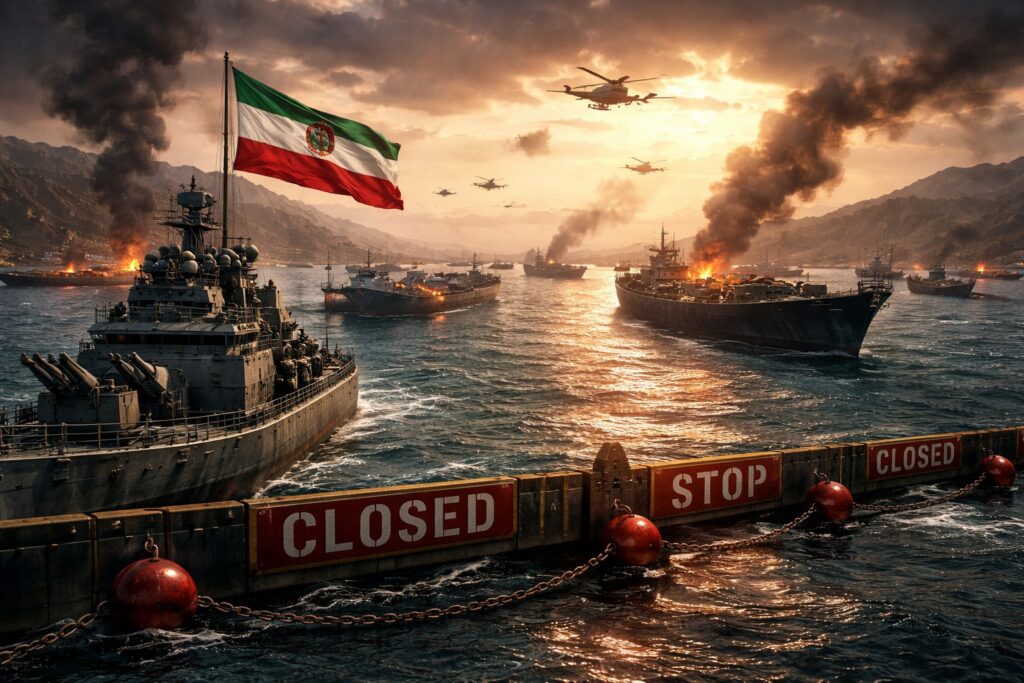
A closure of the Strait of Hormuz ranks among the most feared scenarios in global energy markets. This narrow waterway between Iran and Oman serves as the primary shipping route for approximately 20% of the world’s petroleum liquids and one-third of all liquefied natural gas. Any disruption to this critical passage creates immediate ripple effects across continents, with Asia and Europe facing distinct but interconnected challenges that reshape energy security calculations worldwide.
Asia’s Vulnerability to Strait Disruptions
Asian economies face the most direct consequences when the Strait of Hormuz experiences disruptions. The region’s heavy reliance on Middle Eastern oil creates an immediate supply crisis that affects everything from manufacturing costs to transportation networks. Countries like Japan, South Korea, and India import substantial portions of their crude oil through this route, making alternative supply arrangements both expensive and logistically complex.
China, despite its growing domestic production and strategic petroleum reserves, still depends on Gulf oil for roughly 40% of its imports. A prolonged closure forces Asian importers to seek alternative sources from Africa, the Americas, or Russia, typically at premium prices due to increased demand competition and longer shipping distances.
Critical Oil Supply Routes for Asian Markets
The mathematics of Asian oil dependency reveal the scale of potential disruption. Japan imports nearly 90% of its crude oil from the Middle East, with most shipments passing through the Strait. South Korea faces similar exposure, importing about 70% of its oil from Gulf producers. These countries maintain strategic reserves, but typical stockpiles last only 60 to 100 days under normal consumption patterns.
Alternative routing through pipelines or different sea lanes adds significant costs and time delays. The Suez Canal route becomes congested as tankers seek alternate paths, while overland pipelines through Central Asia lack the capacity to compensate for maritime shortfalls.
Southeast Asian Economic Consequences
Southeast Asian nations experience both direct supply disruptions and secondary economic shocks. Countries like Thailand, Malaysia, and the Philippines see immediate fuel price increases that affect their export-dependent manufacturing sectors. Singapore, serving as a regional refining and trading hub, faces reduced throughput as crude oil shipments decline.
The tourism industries across Southeast Asia feel indirect pressure as higher fuel costs increase airline operating expenses, potentially reducing visitor arrivals. Manufacturing sectors that depend on petrochemical feedstocks, particularly in Thailand and Malaysia, face production constraints that can persist even after shipping routes reopen.
European Market Responses and Adaptations
European countries demonstrate greater supply diversity compared to Asian markets, but still face significant challenges during Strait of Hormuz disruptions. The European Union imports roughly 15% of its crude oil from Gulf producers, creating manageable but notable supply gaps that require strategic responses.
Norway’s domestic production and Russia’s pipeline deliveries provide Europe with alternative sources, though political tensions can complicate Russian supply arrangements. African producers like Nigeria and Algeria become more critical suppliers, while transatlantic imports from the United States and Canada increase to fill remaining gaps.
Regional Variations in European Impact
Northern European countries with North Sea access experience less severe disruptions than Mediterranean nations. Italy and Spain, which receive larger shares of Middle Eastern oil through traditional shipping routes, face higher replacement costs and longer adjustment periods.
Germany’s industrial sector, heavily dependent on stable energy inputs, implements demand management strategies while increasing purchases from non-Gulf suppliers. France leverages its nuclear power infrastructure to reduce oil consumption for electricity generation, freeing petroleum products for transportation and industrial uses where substitution proves more difficult.
Global Oil Price Volatility and Market Responses
A closure of the Strait of Hormuz immediately triggers sharp price increases across international oil markets. Historical precedents suggest prices can spike 20% to 50% within days of confirmed disruptions, depending on the expected duration and available strategic reserve releases.
Market psychology amplifies physical supply constraints as traders price in risk premiums and potential escalation scenarios. Brent and WTI crude futures experience high volatility as market participants reassess supply security and inventory adequacy across different regions.
Price Dynamics Across International Markets
Asian spot markets typically see the steepest price increases due to direct supply exposure and limited short-term alternatives. European markets experience moderate price pressures, while North American prices rise primarily due to global market integration rather than direct supply threats.
Strategic petroleum reserve releases from the United States, European Union, and International Energy Agency member countries can moderate price spikes, but coordination challenges and political considerations often delay optimal timing. Private inventory draws and demand reduction provide additional market balancing, though these adjustments require weeks or months to fully materialize.
The downstream effects extend beyond crude oil to refined products, with gasoline, diesel, and jet fuel prices rising proportionally. Airlines implement fuel surcharges, shipping companies adjust rates, and industrial consumers face margin pressure that eventually reaches consumer prices across multiple economic sectors.
Recovery patterns depend heavily on the disruption’s duration and resolution circumstances. Short-term closures lasting days or weeks see rapid price normalization once shipping resumes. Extended disruptions lasting months create more permanent shifts in supply chain relationships and strategic planning assumptions that influence energy markets long after the Strait reopens to normal traffic.