The Global Water Crisis Deepens — Access to Water Becomes a Strategic Concern

Water shortages are reshaping the global political landscape in ways that extend far beyond environmental policy. What began as regional droughts and seasonal supply constraints has evolved into a systematic challenge that touches every aspect of national security—from agricultural output to urban stability to cross-border diplomacy. The numbers paint a stark picture: over 2 billion people currently lack access to safely managed drinking water at home, while water demand continues to rise at roughly 1% per year globally.

This crisis represents more than a humanitarian challenge. Water security is evolving into a foundational geopolitical issue because it directly affects food, energy, health, and social stability simultaneously. Nations that once viewed water as an abundant resource now find themselves calculating strategic responses to scarcity.

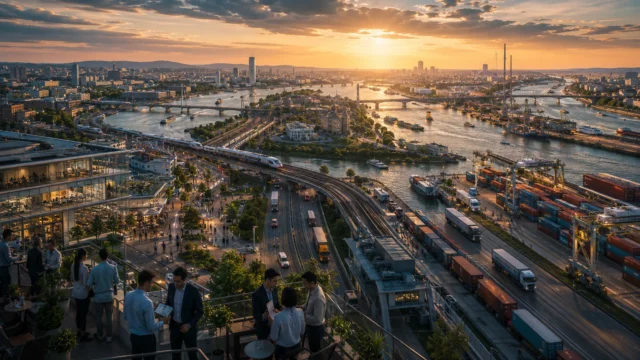
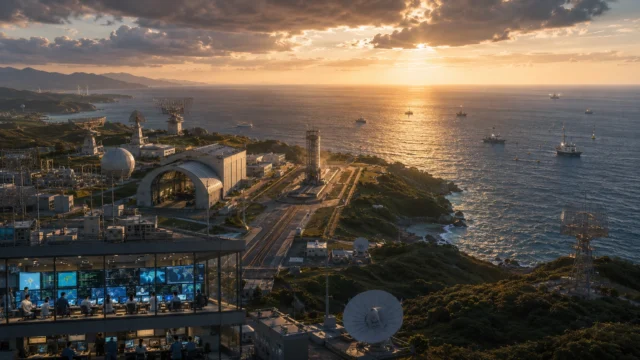
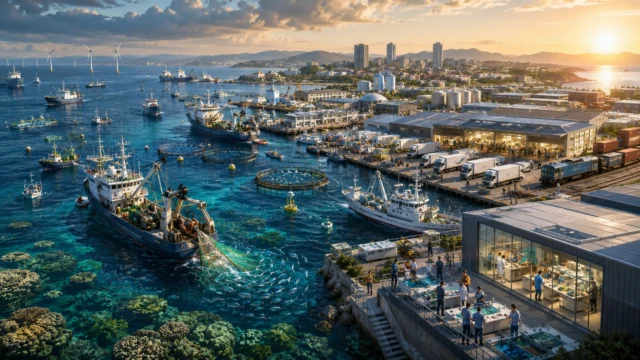
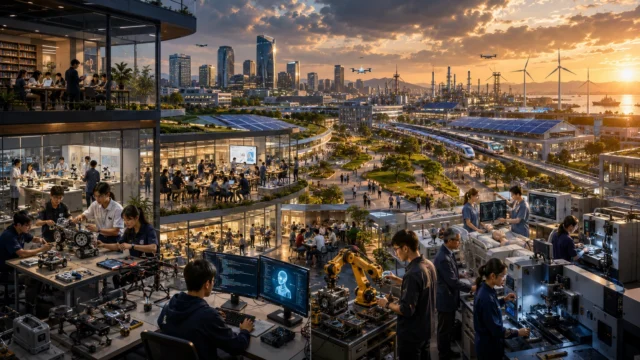
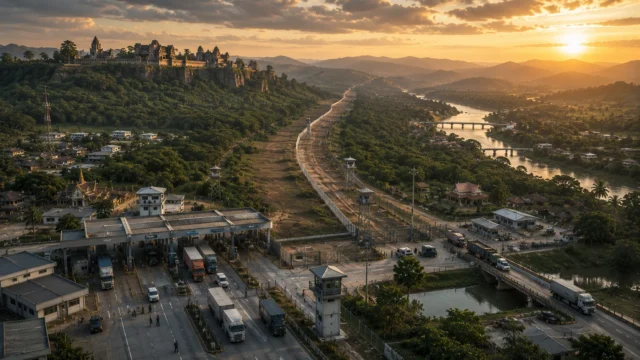
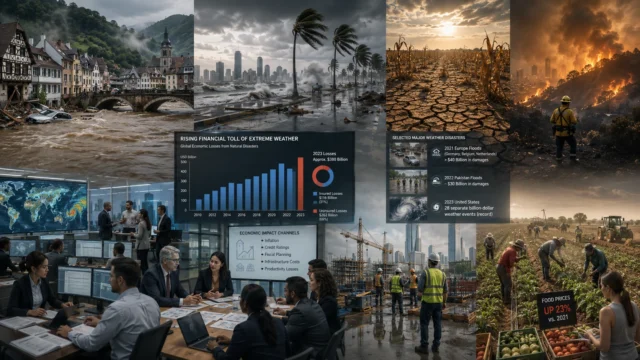
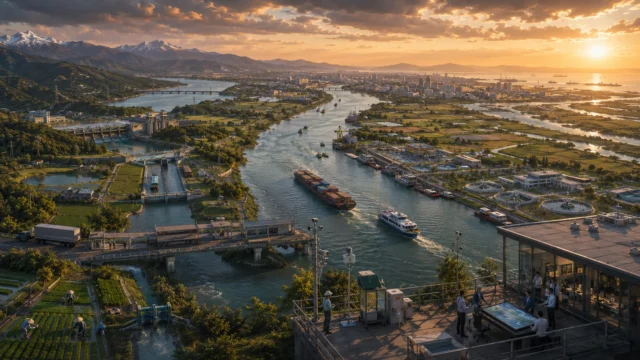
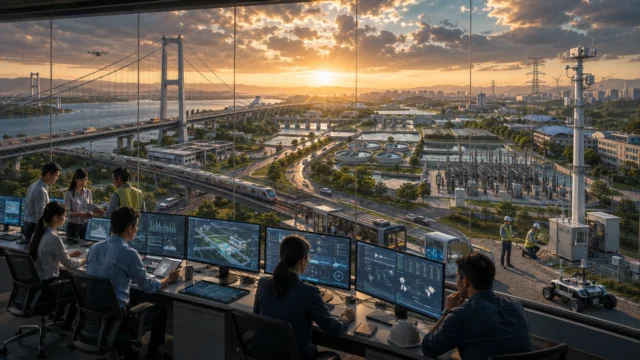
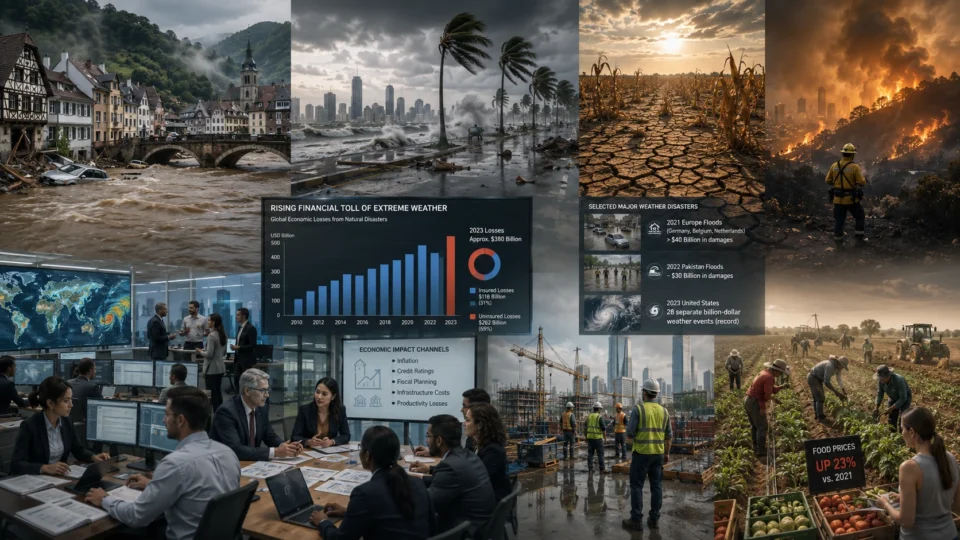
Global water crisis illustrated with drought, urban water infrastructure, and rising concerns over water security and resource management worldwide.
Access to clean water is becoming an increasingly strategic issue as climate change, population growth, and resource pressures intensify worldwide.

Water Scarcity Spreads Across Multiple Regions

The geographic footprint of water stress has expanded dramatically over the past decade. The Middle East and North Africa region faces the most acute shortages, with countries like Jordan, Lebanon, and Algeria experiencing renewable water resources below 500 cubic meters per person annually—well under the UN’s water poverty threshold of 1,000 cubic meters.

Yet the crisis extends beyond traditionally arid regions. Cape Town’s “Day Zero” water emergency in 2018 demonstrated how even temperate cities can approach complete reservoir depletion. Chennai, India’s sixth-largest city, experienced similar conditions in 2019 when its four main reservoirs ran nearly dry, affecting 4.6 million residents.

Climate Patterns and Population Growth Compound the Problem

Two primary drivers accelerate water scarcity across regions. Climate change has intensified both drought frequency and precipitation variability, creating longer dry periods followed by extreme flooding that fails to replenish aquifers effectively. The Intergovernmental Panel on Climate Change projects that areas already experiencing water stress will see further reductions in renewable surface water and groundwater resources.

Population growth adds continuous pressure to existing supplies. Sub-Saharan Africa, where water access remains most limited, expects its population to double by 2050. Urban areas absorb much of this growth, concentrating demand in regions often poorly equipped to expand water infrastructure quickly.

Agricultural Systems Face Mounting Water Constraints

Agriculture consumes approximately 70% of global freshwater withdrawals, making farming communities the first to experience supply disruptions. The 2022 drought in the European Union reduced crop yields across major agricultural regions, with Italy declaring a state of emergency in five northern regions and France experiencing its worst drought on record.

China’s grain-producing regions illustrate how water scarcity threatens food security at scale. The North China Plain, which produces 60% of the country’s wheat and 45% of its corn, relies heavily on groundwater that has been depleting at rates of 1.5 meters per year in some areas. Chinese authorities have responded with the South-to-North Water Diversion Project, but the $62 billion infrastructure investment underscores the massive costs of addressing agricultural water shortages.

Rural Economies Bear the Immediate Impact

Water constraints force difficult economic choices in rural areas. Farmers reduce planted acreage, switch to less water-intensive but often less profitable crops, or abandon agriculture entirely. In Morocco, prolonged drought conditions have pushed rural unemployment above 12%, contributing to urban migration and social tensions.

The economic effects ripple through entire agricultural value chains. Food processing facilities, livestock operations, and rural service businesses all depend on reliable water access. When supplies become unreliable, these interdependent systems face simultaneous stress.

Cross-Border Water Disputes Intensify

Shared water resources increasingly generate diplomatic friction as national needs collide. The Nile River basin exemplifies these tensions, with Egypt, Sudan, and Ethiopia locked in ongoing disputes over the Grand Ethiopian Renaissance Dam. Egypt views the dam as an existential threat to its agricultural sector, while Ethiopia sees it as essential for economic development and energy security.

Similar conflicts emerge across continents. India and Pakistan continue disputes over the Indus River system, while Turkey’s dam projects on the Euphrates and Tigris rivers affect downstream water availability in Syria and Iraq. These disagreements often involve countries with limited diplomatic flexibility, raising the stakes for resolution.

International Water Law Struggles to Keep Pace

Existing frameworks for managing transboundary water resources prove inadequate for current disputes. The 1997 UN Convention on the Law of the Non-navigational Uses of International Watercourses provides general principles but lacks enforcement mechanisms. Many bilateral and regional agreements were negotiated when water was more abundant and fail to address scarcity-driven conflicts.

The absence of clear legal frameworks encourages unilateral action. Countries with upstream control over river systems often proceed with dam construction or water diversion projects regardless of downstream objections, creating facts on the ground that become difficult to reverse.

Urban Centers Experience Unprecedented Water Stress

Major cities face compounding challenges as they concentrate population growth in areas with limited water resources. Mexico City exemplifies urban water stress, with parts of the metropolitan area experiencing water service cuts for up to 20 hours daily. The city’s location at high altitude increases pumping costs, while subsidence from groundwater extraction damages infrastructure.

Similar pressures affect cities across different climate zones. Jakarta faces saltwater intrusion as excessive groundwater pumping causes land subsidence. Parts of the Indonesian capital sink by up to 25 centimeters annually, making seawater infiltration increasingly severe.

Infrastructure Investment Cannot Keep Pace with Demand

Urban water systems require substantial capital investment to maintain service levels, but many cities lack the financial resources or institutional capacity for necessary upgrades. The American Society of Civil Engineers estimates that the United States needs $1 trillion in water infrastructure investment over the next 25 years, while developing nations face proportionally larger gaps between needs and available funding.

Aging infrastructure compounds the challenge in established cities. London loses approximately 25% of treated water through leaky pipes, while some U.S. cities experience water main breaks every two minutes on average. These inefficiencies become more costly as source water becomes scarcer and treatment more expensive.

Governments Accelerate Investment in Water Infrastructure

Facing mounting pressure, governments are launching ambitious infrastructure projects to secure water supplies. Desalination capacity has expanded rapidly, with global output reaching 95 million cubic meters per day in 2020. Saudi Arabia operates the world’s largest desalination program, producing 5.7 million cubic meters daily to meet 50% of its municipal water demand.

Israel demonstrates how technology and policy can address water scarcity systematically. The country now produces 55% of its domestic water supply through desalination while maintaining agricultural exports through efficient irrigation systems and wastewater recycling. Israeli desalination costs have dropped to approximately $0.50 per cubic meter, making the technology economically viable in more contexts.

Conservation Programs Show Mixed Results

Water conservation initiatives achieve significant results when supported by appropriate pricing and regulatory frameworks. Australia’s response to the Millennium Drought (1997-2009) included strict usage restrictions and efficiency requirements that reduced per capita consumption by 37% in major cities. These conservation measures remained largely in place after the drought ended, creating permanent efficiency gains.

However, conservation alone cannot bridge supply gaps in severely water-stressed regions. Even aggressive demand management typically reduces consumption by 20-30%, insufficient to address scarcity in areas where demand exceeds renewable supply by 50% or more.

Climate Change Accelerates Water Security Challenges

Extreme weather patterns make water planning increasingly difficult as historical data becomes less predictive of future conditions. The 2021 heat dome in the Pacific Northwest reduced snowpack levels that provide summer water supplies for millions of people. Similarly, unprecedented flooding in Germany and Belgium overwhelmed water treatment facilities and contaminated supply systems.

The frequency of “record-breaking” weather events suggests that water systems designed for historical climate patterns may prove inadequate. The Colorado River system, which supplies water to 40 million people across seven U.S. states and Mexico, has experienced its lowest reservoir levels since measurement began, forcing the first-ever federal shortage declaration in 2021.

Seasonal Variability Complicates Resource Management

Climate change shifts precipitation patterns in ways that challenge existing water storage and distribution systems. Many regions experience more intense rainfall concentrated in shorter periods, followed by longer dry spells. This pattern reduces groundwater recharge while increasing flood risks that can damage infrastructure.

Mountain snowpack serves as natural water storage for many regions, but rising temperatures reduce snow accumulation and accelerate spring melting. Earlier peak runoff means less water availability during summer months when demand typically peaks, requiring expanded reservoir capacity or alternative storage methods.

Water Security Reshapes National Strategic Priorities

Access to reliable water supplies increasingly influences national stability and international relations. In my view, water may become one of the defining strategic resources of the future. Countries that fail to manage it effectively could face escalating instability and regional tensions.

Singapore’s approach illustrates how small nations can achieve water security through comprehensive planning. The city-state has developed a “Four Taps” strategy combining local catchment, imported water, recycled wastewater, and desalinated water to reduce dependence on Malaysian imports. This diversification required significant investment but provides strategic autonomy that affects broader diplomatic relationships.

Military planners increasingly factor water security into strategic assessments. The U.S. Defense Department identifies water stress as a threat multiplier that can trigger conflict, mass migration, and state fragility. NATO has begun incorporating climate-related security risks, including water scarcity, into its strategic planning processes.

Water infrastructure itself becomes a strategic asset requiring protection. Cyber attacks on water systems in Israel and the United States demonstrate how critical infrastructure faces new categories of threats. Nations must now consider not only securing adequate water supplies but also defending the systems that store, treat, and distribute those resources.

The transformation of water from a assumed resource to a strategic asset represents one of the most significant shifts in international security planning. Countries that recognize this transition early and invest accordingly will maintain advantages in an increasingly water-constrained world.