Saudi Arabia Accelerates Economic Diversification — Oil Power Alone Is No Longer Enough

Saudi Arabia is racing to reinvent its economy before oil loses its grip on global power. The kingdom that built its influence on petroleum exports now recognizes a stark reality: resource wealth alone cannot guarantee long-term geopolitical relevance in a rapidly changing world. Crown Prince Mohammed bin Salman’s Vision 2030 represents more than ambitious planning—it reflects an urgent attempt to transform one of the world’s most oil-dependent economies into something entirely different.

This transformation comes with enormous risks. Saudi Arabia is attempting one of the most ambitious national makeovers in modern history, but the challenge extends far beyond constructing new cities or attracting tourists. The real test lies in creating a sustainable economy capable of thriving when oil dominance inevitably fades.

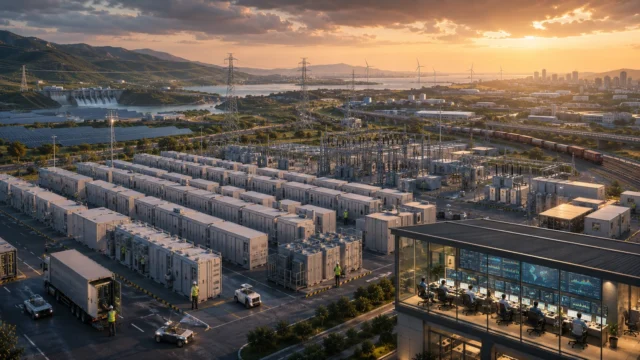
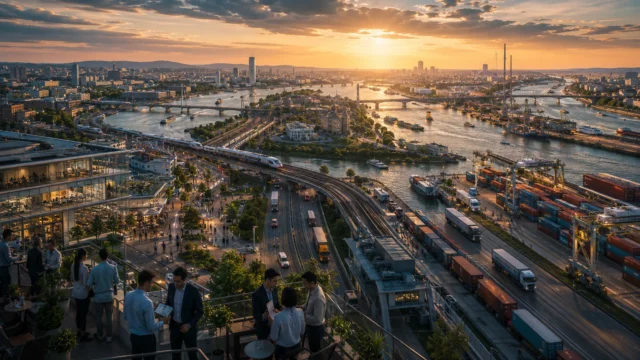
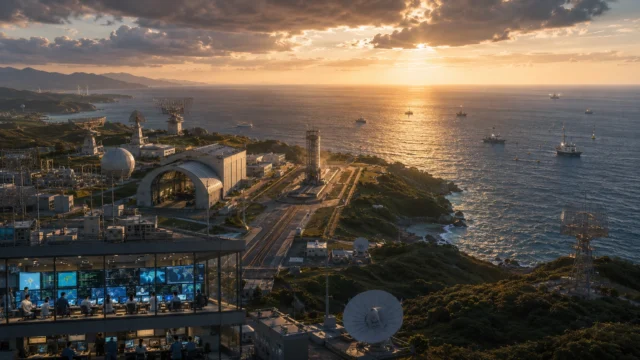
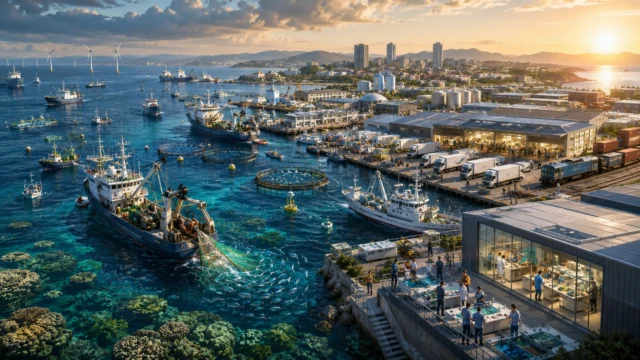
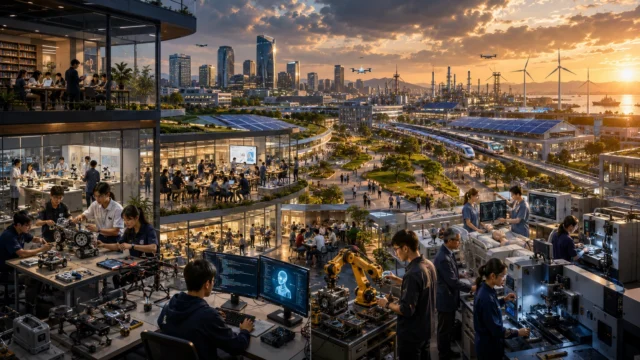
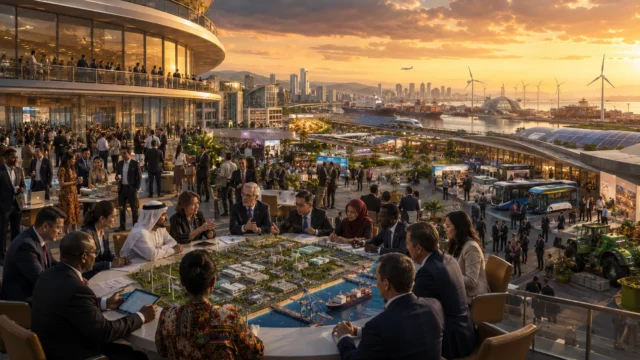
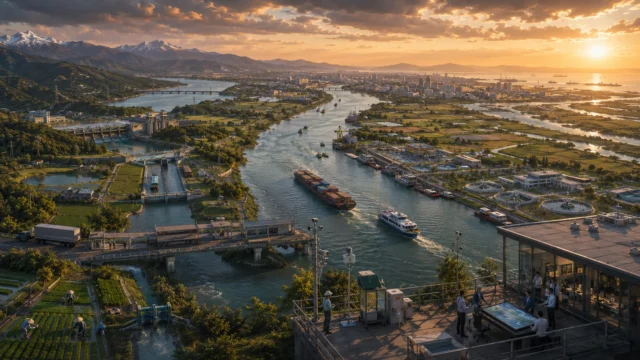
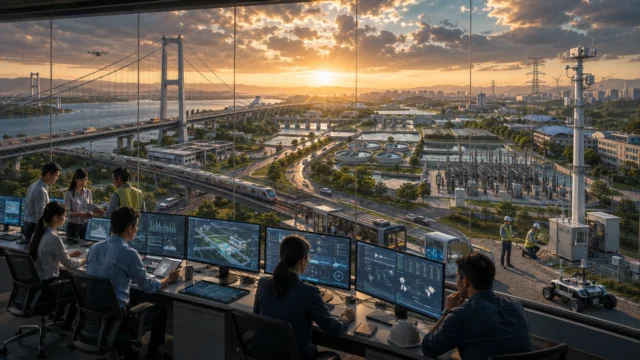
Saudi Arabia’s economic diversification strategy illustrated with futuristic cities, renewable energy, technology, and non-oil industries under Vision 2030.
As global energy markets evolve, Saudi Arabia is repositioning itself for a future driven by innovation and diversified economic growth.

Saudi Arabia Pushes Beyond Traditional Oil Dependency

The numbers tell a sobering story. Oil revenues still account for roughly 60% of Saudi government income, making the kingdom vulnerable to price swings and global energy transitions. Recognizing this precarious position, Riyadh has committed to investing over $500 billion in non-oil sectors through 2030.

Tourism represents one of the most visible shifts. The kingdom opened its doors to international visitors in 2019 and now targets 100 million tourists annually by 2030—a staggering goal for a country that previously restricted most foreign entry. The Red Sea Project and Qiddiya entertainment city demonstrate Saudi determination to compete with Dubai and other regional tourism hubs.

Technology investments reveal similar ambitions. The Saudi Public Investment Fund has poured billions into startups, artificial intelligence research, and digital infrastructure. The kingdom aims to become a regional tech center, though it faces established competitors in the UAE and Israel.

Diversification Efforts Face Structural Challenges

Creating new industries proves more complex than funding them. Saudi Arabia must develop human capital, regulatory frameworks, and business cultures that can sustain non-oil growth. The kingdom’s private sector remains relatively small, and government employment has historically dominated the job market.

Cultural shifts complicate these economic changes. Tourism and entertainment sectors require social openness that contrasts with traditional Saudi conservatism. While recent reforms have relaxed many restrictions, balancing modernization with domestic stability remains delicate.

Mega Projects Reshape National Economic Strategy

NEOM, the $500 billion futuristic city planned for Saudi Arabia’s northwest coast, epitomizes the kingdom’s bold vision. This planned metropolis spans 26,500 square kilometers and promises to run entirely on renewable energy while hosting advanced manufacturing, biotechnology, and media industries.

The Line, NEOM’s centerpiece, envisions a 170-kilometer linear city housing 9 million residents. Critics question whether such projects reflect realistic planning or expensive fantasies, but Saudi officials insist these developments will attract international businesses and create millions of jobs.

Other massive undertakings include the Red Sea tourism project, AMAALA luxury resort destination, and the expansion of Riyadh into one of the world’s largest cities. These initiatives collectively represent over $1 trillion in planned investment.

Scale Brings Both Opportunity and Risk

The sheer magnitude of Saudi mega projects creates momentum that could attract genuine international interest. Major construction and consulting firms have already signed contracts worth billions, suggesting some confidence in Saudi execution capabilities.

However, the kingdom’s track record on large-scale projects remains mixed. Previous economic cities like King Abdullah Economic City fell short of their ambitious targets. NEOM and similar developments face questions about feasibility, environmental impact, and whether they address real economic needs or primarily serve as prestige projects.

Foreign Investment Becomes a Critical Priority

Saudi Arabia has restructured its approach to international partnerships, moving beyond simple oil sales to complex joint ventures and technology transfers. The kingdom now offers foreign investors full ownership in many sectors, reversing decades of restrictive policies.

The Public Investment Fund has become increasingly active globally, taking stakes in companies ranging from Tesla to Uber. These investments serve dual purposes: generating returns and building relationships that could benefit Saudi diversification efforts.

Recent diplomatic normalization efforts with regional neighbors and engagement with Asian economies reflect this investment-focused strategy. Saudi Arabia recognizes that economic transformation requires international expertise, capital, and market access that the kingdom cannot generate independently.

Competition for Capital Intensifies Regional Dynamics

Gulf states are essentially competing for the same pool of international investment and expertise. The UAE established an early lead in finance, logistics, and tourism, while Qatar leveraged its World Cup hosting to boost its global profile.

Saudi Arabia’s advantages include its large population, vast land area, and financial resources. However, the kingdom must overcome perceptions of political risk, regulatory uncertainty, and social restrictions that may deter some foreign investors.

Regional Competition Intensifies Among Gulf Powers

The race for economic diversification has transformed Gulf geopolitics. Each major oil producer seeks to become the region’s dominant financial, technological, or cultural center, creating both cooperation and rivalry.

Dubai’s success as a global hub demonstrates what ambitious diversification can achieve, but it also shows the limits of oil-dependent transformation. The UAE’s economy remains heavily influenced by hydrocarbon revenues, despite its reputation for diversification.

Kuwait, Oman, and Bahrain face similar challenges with fewer resources than Saudi Arabia. This creates pressure for regional coordination while each country pursues its own transformation agenda.

Geographic Advantages Shape Competition

Saudi Arabia’s location between Europe, Asia, and Africa provides strategic advantages for logistics and trade. The kingdom’s planned investments in ports, airports, and transportation infrastructure aim to capture transit revenues currently flowing to Dubai and other regional hubs.

However, established competitors benefit from existing relationships, proven track records, and regulatory environments that foreign businesses understand. Saudi Arabia must demonstrate that its transformation efforts produce real results, not just impressive announcements.

Energy Transition Drives Transformation Urgency

Global climate commitments and renewable energy adoption threaten oil demand in ways previous market cycles did not. Electric vehicle growth, carbon pricing policies, and corporate sustainability initiatives all point toward reduced petroleum consumption within decades.

Saudi Arabia has responded by announcing its own renewable energy targets, including plans to generate 50% of electricity from renewables by 2030. The kingdom also launched a circular carbon economy initiative and committed to achieving net-zero emissions by 2060.

These environmental commitments serve multiple purposes: they position Saudi Arabia as a responsible global actor while creating new industrial opportunities in solar power, hydrogen production, and carbon capture technologies.

Timing Creates Strategic Pressure

The kingdom faces a narrow window for successful transformation. Oil revenues remain high enough to fund diversification investments, but waiting too long could leave Saudi Arabia without sufficient resources to complete the transition.

International energy markets provide conflicting signals about oil’s future. Short-term supply constraints have supported prices, but long-term demand projections show declining growth. Saudi planners must balance immediate revenue needs with preparation for a post-oil economy.

Youth Population Influences Reform Pace

Nearly 60% of Saudi Arabia’s population is under 30, creating enormous pressure for job creation and social modernization. These young Saudis grew up connected to global culture through social media and expect opportunities beyond traditional government employment.

Vision 2030 explicitly targets youth employment through new industries, entrepreneurship programs, and educational reforms. The kingdom has relaxed social restrictions, allowed women to drive and attend sporting events, and created entertainment options previously unavailable.

However, cultural changes create tensions with conservative elements of Saudi society. The government must manage competing demands for modernization and traditional values while ensuring that economic reforms actually produce the promised employment opportunities.

Employment Challenges Drive Policy Urgency

Creating meaningful jobs for millions of young Saudis requires more than government programs or mega projects. The kingdom needs functioning private sector industries that can compete internationally and provide career advancement opportunities.

Current unemployment rates among young Saudis remain concerning despite official optimism. Success in economic diversification will ultimately be measured by whether these demographic pressures translate into productive employment rather than social instability.

Saudi Arabia Redefines Its Global Role Beyond Energy

The kingdom’s transformation efforts reflect broader ambitions to become a comprehensive regional power rather than simply an oil exporter. Saudi Arabia now hosts international conferences, mediates regional disputes, and positions itself as a bridge between Western and Eastern markets.

Crown Prince Mohammed bin Salman’s diplomatic engagement with China, India, and other Asian economies demonstrates this expanded vision. The kingdom seeks to leverage its geographic position and financial resources to become an essential partner for multiple global powers.

Yet this transformation faces significant obstacles that extend beyond economic planning. Building sustainable industries, creating competitive advantages, and maintaining social stability during rapid change requires execution capabilities that remain unproven. Saudi Arabia’s success in accelerating economic diversification will determine whether oil power can successfully evolve into something more durable—or whether the kingdom’s ambitious vision exceeds its capacity to deliver lasting change.