
NATO Prepares for a Critical Defense Summit — Europe Faces Pressure to Spend More
Defense ministers from NATO’s 32 member nations will gather in Brussels on June 18 for what promises to be one of the alliance’s most consequential meetings in recent years. The summit arrives at a moment when European governments face mounting pressure to dramatically increase their defense investments and military capabilities. Beyond the familiar debates over spending targets, this meeting signals a fundamental shift in how NATO views its role in an increasingly competitive global security environment.
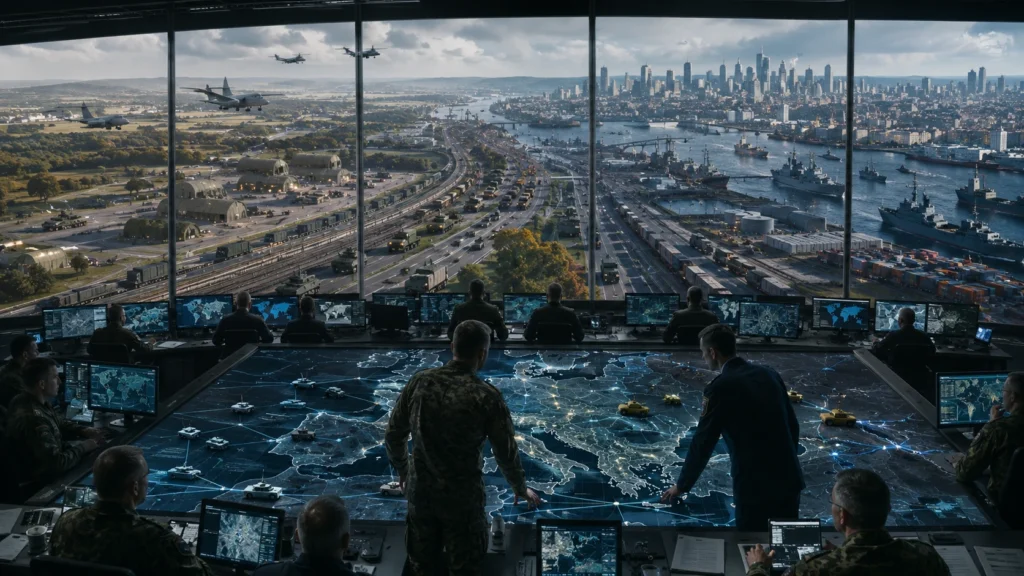
NATO Defense Ministers Set to Address Future Security Priorities
The June 18 gathering in Brussels represents more than a routine diplomatic meeting. Defense ministers will confront questions that go to the heart of the alliance’s strategic direction: how much military capability does Europe actually need, and who should pay for it?
The timing reflects urgency. NATO’s current discussions have moved well beyond the 2% of GDP spending benchmark that dominated previous summits. Ministers now face pressure to address specific capability gaps, from air defense systems to ammunition production, while managing competing domestic political priorities.
European capitals increasingly recognize that the security assumptions that guided defense planning for decades no longer apply. The result is a meeting where ministers must balance immediate military needs against longer-term questions about Europe’s role in its own defense.
Defense Investment Debates Intensify Across the Alliance
NATO’s spending discussions have evolved considerably from the relatively straightforward target-setting of previous years. Today’s conversations center on what types of military capabilities the alliance actually requires and how quickly members can develop them.
Several European nations have already announced significant defense budget increases. Germany committed to maintaining defense spending above 2% of GDP, while Poland plans to reach 4% by 2025. These commitments reflect a recognition that meeting existing targets may no longer be sufficient.
Industrial Capacity Emerges as a Critical Factor
The focus has shifted toward defense industrial capacity and production timelines. European governments are discovering that simply allocating more money for defense does not immediately translate into available weapons systems or expanded military capabilities.
This reality has prompted discussions about joint procurement programs and coordinated industrial planning. Ministers in Brussels will likely address how NATO can better align national defense investments with collective security requirements.
Evolving Security Challenges Reshape NATO Strategy
The alliance faces a security environment that differs markedly from the one that shaped its post-Cold War structure. European officials must now plan for scenarios that require sustained military readiness rather than the crisis-response model that dominated previous decades.
This shift influences every aspect of NATO planning, from troop positioning to logistics networks. The alliance is adapting its command structures and operational concepts to address threats that may emerge with little warning and persist for extended periods.
Eastern European members have been particularly vocal about the need for enhanced forward defense capabilities. Their geographical position gives them a direct stake in ensuring that NATO’s military posture matches its political commitments.
European Military Capabilities Under Growing Scrutiny
Governments across Europe confront a stark reality: their military forces require substantial modernization and expansion to meet current security challenges. This pressure extends beyond defense ministries to include industrial policy and economic planning.
The scrutiny focuses on specific capability areas where European forces show significant gaps. Air defense systems, long-range precision weapons, and electronic warfare capabilities represent particular concerns for military planners.
European defense industries face pressure to increase production capacity while maintaining technological competitiveness. The challenge is compounded by the need to coordinate industrial policies across multiple nations with different strategic priorities and industrial bases.
Operational Readiness Becomes a Measurable Priority
NATO has begun emphasizing operational readiness metrics that go beyond traditional measures of military strength. The alliance now tracks how quickly member nations can deploy forces, sustain operations, and integrate with allied units.
These metrics reveal significant variations in military preparedness across the alliance. Some nations maintain high levels of readiness but limited capacity for sustained operations, while others possess substantial military assets that require extended preparation time for deployment.
Alliance Coordination Gains Strategic Importance
The Brussels meeting will address persistent challenges in NATO coordination that have become more pressing as security threats intensify. Interoperability between national forces remains uneven, despite decades of standardization efforts.
Recent military exercises have highlighted specific areas where improved coordination can enhance overall alliance effectiveness. Communication systems, logistics support, and command structures require additional alignment to support the rapid response capabilities that current threats demand.
The coordination challenge extends to intelligence sharing and threat assessment. NATO members must balance national security concerns with the collective benefit of enhanced information sharing among allies.
Long-Term Defense Planning Takes Center Stage
Ministers will confront questions about NATO’s strategic direction that extend well beyond immediate military requirements. The alliance must develop defense planning frameworks that can adapt to evolving threats while maintaining political cohesion among diverse member nations.
Long-term planning discussions will likely address force structure requirements, technological development priorities, and resource allocation strategies. These decisions will influence national defense policies and budget allocations for years to come.
The planning process must also account for changing geopolitical relationships that affect alliance priorities. NATO’s approach to collective defense continues to evolve as members reassess their strategic environments and military requirements.
Brussels Summit May Define NATO’s Strategic Evolution
The most important outcome of this summit may not be any single announcement, but the broader signal it sends about Europe’s willingness to assume greater responsibility for its own security. The alliance stands at a point where burden-sharing discussions are giving way to capability-building and long-term resilience planning.
This evolution reflects a recognition that NATO’s future effectiveness depends on European members’ ability to contribute meaningfully to collective defense rather than simply meeting spending benchmarks. The shift from burden-sharing to capability-building represents a fundamental change in how the alliance approaches security challenges.
The decisions made in Brussels will likely influence alliance priorities and national defense policies for years to come. European governments face a choice between maintaining existing approaches to defense planning or embracing the expanded military commitments that current security conditions appear to require. How they navigate that choice will shape both European security and global geopolitical stability in ways that extend far beyond NATO’s traditional boundaries.