Africa Becomes the New Battleground — A Global Power Struggle Over Resources Is Intensifying

Africa’s vast mineral wealth is triggering the most significant geopolitical competition the continent has seen since the Cold War. From cobalt mines in the Democratic Republic of Congo to lithium deposits across the Sahel, major powers are positioning themselves for control over resources that will define the next century of technological advancement. This scramble represents more than traditional resource extraction—it signals a fundamental shift in how global influence operates in an era where critical minerals determine economic and strategic advantage.

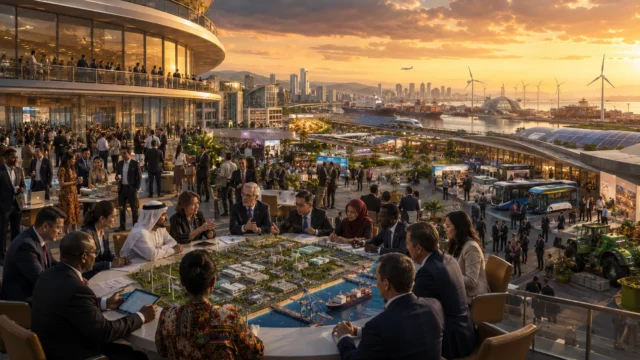
Africa as a strategic hub of critical resources with global powers competing over minerals, infrastructure, and investment shaping geopolitical influence.
A new global power struggle is unfolding in Africa, driven by the race for critical minerals and long-term strategic dominance.

Africa’s Critical Minerals Drive Unprecedented Global Interest

The numbers tell the story of Africa’s strategic importance. The continent holds approximately 60% of the world’s cobalt reserves, essential for electric vehicle batteries, and significant deposits of lithium, rare earth elements, and other materials crucial for renewable energy infrastructure. South Africa controls nearly 70% of global platinum reserves, while the Democratic Republic of Congo produces roughly 70% of the world’s cobalt.

This resource concentration has attracted intense attention from major economies racing to secure supply chains for clean energy transitions and advanced manufacturing. Unlike oil or traditional commodities, these minerals are irreplaceable components in technologies that governments view as matters of national security.

The Clean Energy Revolution Amplifies Resource Competition

The global push toward renewable energy has created unprecedented demand for African minerals. Electric vehicle production alone is projected to require 40 times more lithium and 25 times more cobalt by 2040 compared to current levels. African countries sitting on these deposits suddenly find themselves at the center of supply chain strategies designed by powers thousands of miles away.

China Solidifies Its Economic and Infrastructure Dominance

China’s approach to Africa has been methodical and comprehensive. Through the Belt and Road Initiative, Chinese companies have invested over $170 billion in African infrastructure since 2013, creating a web of economic relationships that extend far beyond simple resource extraction.

The strategy involves long-term thinking that Western competitors have struggled to match. Chinese firms build ports, railways, and power plants while simultaneously securing mining rights and establishing processing facilities. This integrated approach means African raw materials often flow directly into Chinese supply chains, with value-added processing happening outside the continent.

Recent deals illustrate this pattern. In 2023, Chinese company CATL secured lithium mining rights in Zimbabwe through a $300 million investment that includes battery manufacturing facilities. Similar arrangements across multiple countries have given China preferential access to resources while creating local employment and infrastructure.

Western Powers Launch Strategic Countermeasures

The United States and European Union have recognized the strategic implications of China’s African presence and are responding with their own initiatives. The EU’s Global Gateway program pledges €150 billion in African investments through 2027, while the US Partnership for Global Infrastructure aims to mobilize $600 billion globally, with significant African components.

These Western efforts face the challenge of competing against established Chinese relationships while offering different value propositions. American and European approaches tend to emphasize governance standards, environmental protection, and democratic institutions alongside economic partnerships.

New Financing Models Emerge in the Competition

The Lobito Corridor project exemplifies Western strategy. This US-backed railway connecting Angola’s coast to mineral-rich regions of the Democratic Republic of Congo represents a $5 billion investment designed to create alternative supply routes to Chinese-controlled infrastructure. The project demonstrates how resource competition now involves entire transportation networks rather than individual mining concessions.

Resource Wealth Reshapes African Economic Leverage

African governments increasingly recognize their strengthened negotiating position in this multipolar competition. Countries like Ghana have revised mining codes to require greater local processing of raw materials, while Namibia has restricted exports of unprocessed critical minerals to encourage domestic value addition.

This shift represents a departure from historical patterns where African countries served primarily as raw material suppliers. The Democratic Republic of Congo’s decision to review Chinese mining contracts and Zambia’s renegotiation of copper agreements with Chinese firms signal growing confidence in leveraging competing interests.

The challenge lies in translating resource wealth into sustainable economic development while managing relationships with multiple global partners who may have conflicting strategic objectives.

Infrastructure Projects Become Instruments of Influence

Ports, railways, and energy projects across Africa now carry geopolitical weight far beyond their economic value. China’s development of Djibouti’s port infrastructure, which hosts the country’s only overseas military base, demonstrates how commercial projects can create strategic footholds.

Western responses include the US development of Ghana’s Tema port and French investments in Senegalese infrastructure. These projects serve dual purposes: facilitating resource flows and establishing geopolitical presence in strategically important regions.

The infrastructure competition extends to digital networks, with Chinese companies like Huawei competing against Western firms to build Africa’s telecommunications backbone. Control over digital infrastructure increasingly determines influence over information flows and economic systems.

Foreign Competition Tests Political Stability

The intensifying global interest in African resources creates both opportunities and risks for political stability across the continent. Countries with weak institutions face particular pressure as competing powers seek favorable deals through various channels, sometimes creating parallel power structures that undermine governance.

Mali’s recent political upheaval partly reflects these dynamics, as different factions aligned with competing international partners. The Wagner Group’s activities across the Sahel illustrate how resource competition can intersect with security arrangements in ways that complicate traditional diplomatic relationships.

African leaders must balance maximizing benefits from global competition while maintaining sovereignty over domestic political processes and avoiding the trap of becoming proxy battlegrounds for external powers.

Africa Positions Itself at the Center of Global Economic Systems

Africa is becoming the most important geopolitical frontier of the next decade. Unlike traditional conflict zones, this competition operates through investment flows, infrastructure development, and long-term partnerships rather than direct confrontation. The countries that establish strong African partnerships will gain significant advantages in future industries dependent on critical minerals.

The real question facing African nations is whether they can leverage this global interest to drive genuine development while avoiding the historical pattern of serving primarily as resource suppliers for external powers. Success requires sophisticated management of competing relationships and strategic use of newfound bargaining power to build diversified, sustainable economies.

The outcome of this competition will shape not only Africa’s development trajectory but also the broader structure of global economic and political relationships for decades to come.