Central Asia Emerges as a Strategic Connector — Landlocked Nations Gain New Influence
Central Asia Strategic Corridor – Central Asia is shedding its reputation as a forgotten corner of the world. The five former Soviet republics—Kazakhstan, Uzbekistan, Turkmenistan, Kyrgyzstan, and Tajikistan—now occupy a pivotal position in global trade networks and great power competition. What was once viewed as a peripheral region trapped between larger neighbors has transformed into a strategic bridge connecting Europe, Asia, and the Middle East. This shift reflects broader changes in global commerce, energy flows, and geopolitical rivalry that are reshaping how landlocked nations wield influence.

Geographic Position Creates New Opportunities
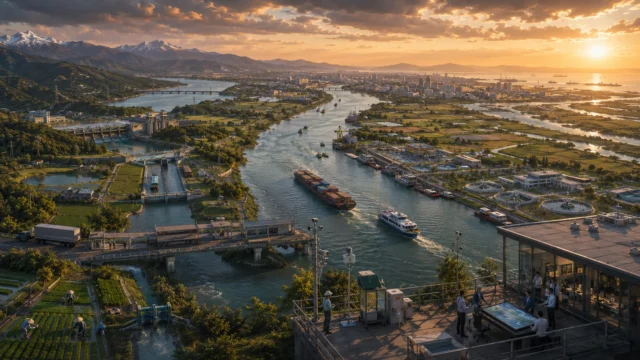
Central Asia sits at one of the world’s most valuable crossroads, linking major economic centers across three continents. The region’s location between China’s manufacturing hubs and European consumer markets makes it essential for transcontinental trade routes that bypass traditional maritime channels.
Kazakhstan alone shares borders with both China and Russia while maintaining proximity to European markets through the Caspian Sea. Uzbekistan occupies the heart of the region, connecting all neighboring Central Asian states and serving as a natural hub for regional integration. This geographic advantage has become more valuable as global supply chains seek alternatives to ocean-based shipping routes.
Traditional Isolation Gives Way to Strategic Connectivity
The same geographic features that once isolated Central Asia now enhance its appeal. Distance from major population centers reduces security risks for critical infrastructure, while the region’s position offers alternative pathways when primary trade routes face disruption.
Rail Networks and Logistics Transform Regional Influence
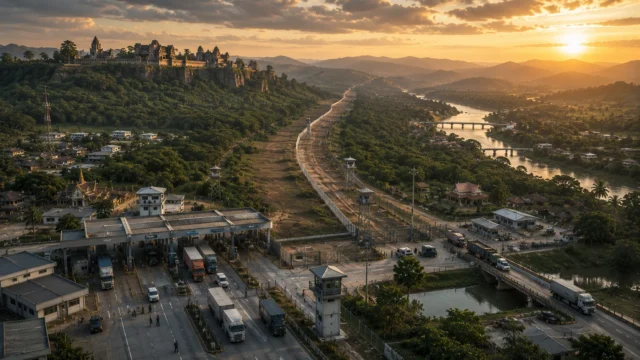
The development of rail corridors has fundamentally altered Central Asia’s strategic value. China’s Belt and Road Initiative has accelerated construction of rail links that connect Chinese manufacturing centers to European markets through Kazakhstan and other regional states.
The China-Europe Railway Express now carries over 1.5 million containers annually across Central Asian territory, generating substantial transit revenues for participating countries. Kazakhstan has positioned itself as the primary corridor, handling roughly 80% of rail traffic between China and Europe.
Digital and Transport Infrastructure Drives Growth
Beyond railways, Central Asian governments are investing in digital infrastructure and logistics capabilities. Uzbekistan has modernized its customs procedures and built new cargo terminals, reducing transit times and attracting more freight traffic. These improvements make the region more competitive against traditional shipping routes, particularly for time-sensitive cargo.
Multiple Powers Seek Stronger Regional Partnerships
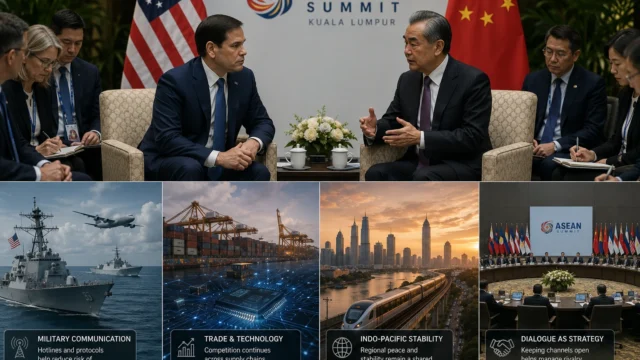
Central Asia has become a focal point for competing powers seeking economic and diplomatic advantages. China views the region as essential for its Belt and Road connectivity goals, while Russia maintains traditional ties and seeks to preserve influence through security partnerships and energy cooperation.
The European Union has launched its own Central Asia strategy, emphasizing energy diversification and democratic governance. Turkey has expanded cultural and economic ties, leveraging shared Turkic heritage with several regional states. Iran seeks northern trade routes to bypass sanctions, while India explores connections to Central Asian energy resources.
Balancing Act Creates Leverage for Regional States
This competition gives Central Asian governments significant leverage. Kazakhstan has successfully balanced relationships with China, Russia, and Western partners without fully aligning with any single power. Uzbekistan has opened its economy to multiple partners while maintaining strategic autonomy in foreign policy decisions.
Energy Resources Underpin Economic Transformation
Central Asia controls substantial energy reserves that enhance its strategic importance. Kazakhstan ranks among the world’s top oil producers, while Turkmenistan possesses the fourth-largest natural gas reserves globally. Uzbekistan has expanded natural gas production and developed renewable energy capabilities.
The region’s energy resources provide both revenue and diplomatic leverage. European efforts to reduce Russian energy dependence have increased interest in Central Asian alternatives, particularly Turkmen natural gas delivered through Azerbaijan and Turkey.
Resource Wealth Funds Infrastructure Development
Energy revenues enable Central Asian states to invest in connectivity infrastructure and economic diversification. Kazakhstan has used oil income to build modern transportation networks and financial centers. Uzbekistan has reformed its energy sector to attract international investment and technology.
Regional Governments Pursue Strategic Independence
Central Asian leaders increasingly prioritize strategic autonomy, avoiding exclusive alignment with any major power. This approach allows them to maximize economic benefits while maintaining political independence.
Kazakhstan’s multi-vector foreign policy exemplifies this strategy. The country maintains security ties with Russia through the Collective Security Treaty Organization while developing economic partnerships with China and diplomatic relationships with Western nations.
Domestic Reforms Support External Autonomy
Internal political and economic reforms strengthen Central Asian states’ ability to maintain strategic independence. Uzbekistan’s liberalization under President Shavkat Mirziyoyev has reduced the country’s isolation and expanded its diplomatic options. Kazakhstan has developed sophisticated financial and legal institutions that facilitate international partnerships.
Connectivity Projects Reshape Economic Possibilities
Major infrastructure investments are creating new economic opportunities across Central Asia. The International North-South Transport Corridor, connecting Russia and India through Central Asian territory, offers an alternative to traditional maritime routes.
The Trans-Caspian International Transport Route, known as the Middle Corridor, links China to Europe through Kazakhstan, Azerbaijan, and Georgia. This route has gained importance as geopolitical tensions affect other pathways, with cargo volumes increasing significantly since 2022.
Investment Flows Follow Infrastructure Development
Infrastructure improvements attract foreign investment beyond the transport sector. Manufacturing companies are establishing facilities in Central Asia to serve both regional markets and export destinations. Kazakhstan has developed automotive assembly plants, while Uzbekistan has expanded textile and chemical production.
Central Asia Commands Growing Geopolitical Attention
The region’s transformation from peripheral territory to strategic connector represents one of the most significant geopolitical developments of recent years. Central Asian states now participate in multiple international organizations and forums, from the Shanghai Cooperation Organization to various regional trade agreements.
This evolution reflects broader changes in global power distribution and economic geography. As traditional centers of influence face new challenges, previously overlooked regions gain importance through their ability to connect major markets and provide alternative pathways for trade and energy flows.
Central Asia’s emergence as a strategic connector demonstrates how geographic advantages can be activated through policy decisions and infrastructure investment. The region’s growing influence suggests that conventional assumptions about landlocked nations may need fundamental revision in an increasingly multipolar world.