Europe Faces Defense Reality Check — Military Spending Surges Across the Continent

For decades, European leaders could rely on a comfortable assumption: security was someone else’s job. The continent focused on economic integration, diplomatic solutions, and keeping defense budgets modest. That era is ending. Across Europe, governments are now scrambling to rebuild military capabilities they allowed to atrophy, driven by threats that diplomatic niceties cannot address.

This shift represents more than budget adjustments. Europe’s increase in defense spending signals a structural shift in its strategic mindset, moving from a region that prioritized economic integration and stability over military strength toward one forced to confront an uncomfortable truth: security cannot be outsourced indefinitely.

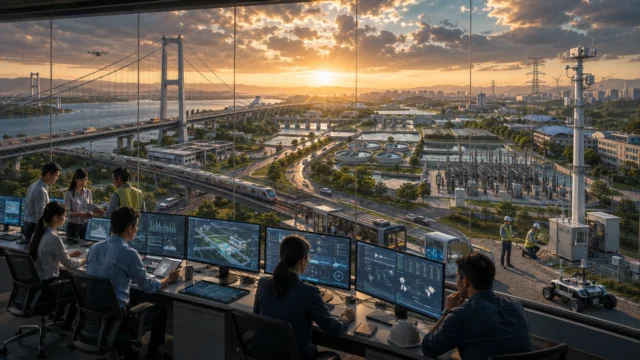
European defense forces and NATO presence with rising military spending illustrated across Europe, highlighting increased security investment and strategic readiness.
Europe is entering a new era of defense investment, as rising geopolitical tensions drive a significant increase in military spending across the continent.

European Defense Budgets Surge Past Expectations

The numbers tell a stark story. Germany announced plans to boost defense spending to 2% of GDP, reversing decades of military underfunding. Poland now allocates over 3% of its GDP to defense, making it NATO’s top spender by proportion. Even traditionally neutral nations like Sweden and Finland have dramatically increased military expenditures while abandoning neutrality altogether.

This spending surge goes beyond meeting NATO’s 2% target. France expanded its military budget to €44 billion for 2024, while Italy committed to substantial increases through 2028. The Baltic states, despite their small economies, consistently exceed NATO spending benchmarks, understanding their geographic vulnerability.

Military Infrastructure Gets Priority Treatment

European governments are directing funds toward long-neglected military infrastructure. Ammunition stockpiles, depleted after supporting Ukraine, require urgent replenishment. Air defense systems, once considered unnecessary luxuries, now receive emergency funding. Military bases across Eastern Europe are expanding rapidly, with new facilities appearing in Poland, the Baltics, and Romania.

Regional Security Concerns Reshape Strategic Calculations

Russia’s invasion of Ukraine shattered European assumptions about post-Cold War stability. The conflict demonstrated that conventional warfare remained a real threat, not a historical curiosity. European policymakers watched Russian forces advance toward NATO borders while recognizing their own military limitations.

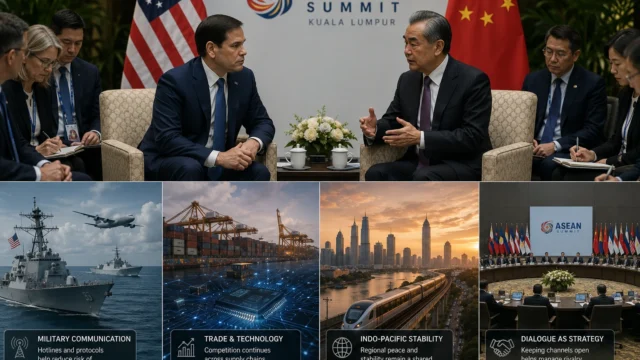
China’s growing assertiveness in the Pacific also influences European defense planning. While geographically distant, Chinese actions signal a broader challenge to the Western security order that Europeans helped build. This dual-threat environment forces European nations to prepare for multiple contingencies simultaneously.

Energy Security Becomes Military Priority

The weaponization of energy supplies transformed how Europeans view security. Natural gas pipelines, once symbols of economic interdependence, became tools of coercion. European militaries now include energy infrastructure protection in their planning, recognizing that economic warfare requires military responses.

Military Cooperation Accelerates Across European Borders

Joint defense initiatives are multiplying rapidly. The European Peace Facility, initially designed for modest operations, now channels billions to support Ukraine and enhance European capabilities. The European Defence Fund coordinates research and procurement across member states, reducing duplication while building shared capabilities.

France and Germany launched the Future Combat Air System, Europe’s most ambitious joint military project. Poland, the UK, and Italy collaborate on air defense systems. Nordic countries integrate their defense planning more closely than ever before. These partnerships signal Europe’s recognition that individual national responses cannot address continent-wide threats.

Military exercises have intensified dramatically. NATO’s Defender Europe series now involves hundreds of thousands of troops practicing large-scale conventional warfare scenarios. The frequency and scale of these exercises reflect European militaries’ urgent need to rebuild skills that atrophied during peacetime.

Defense Industries Experience Unprecedented Growth

European arms manufacturers struggle to meet surging demand. Rheinmetall, Germany’s largest defense contractor, cannot fulfill orders fast enough. BAE Systems expanded production facilities across multiple countries. Saab’s order book extends years into the future as European governments compete for limited production capacity.

This industrial expansion creates strategic dependencies. European militaries rely heavily on American weapons systems, but domestic production capabilities are growing. The goal is reducing dependence on external suppliers while building Europe’s own defense industrial base.

Supply Chain Vulnerabilities Force Adaptation

Ukraine’s conflict exposed European defense industries’ fragile supply chains. Critical components sourced from Asia became bottlenecks for weapons production. European manufacturers now prioritize supply chain resilience over cost efficiency, fundamentally changing how defense industries operate.

Public Opinion Grapples With Military Transformation

European publics remain divided about military expansion. Polling shows majority support for increased defense spending, but concerns about militarization persist. Peace movements, once marginalized, now engage seriously with defense debates, arguing for diplomatic alternatives to military buildup.

Younger Europeans, raised during peaceful decades, struggle to understand why their taxes must fund weapons instead of social programs. Older generations, remembering Cold War tensions, more readily accept military necessities. This generational divide complicates political consensus-building around defense policy.

In my view, Europe is undergoing a necessary—but uncomfortable—transformation. Rebuilding military strength is not just a financial decision; it’s a political and social one, where public opinion, historical context, and strategic needs all collide.

NATO Coordination Remains the Strategic Foundation

Despite growing European capabilities, NATO remains central to continental defense planning. The alliance provides command structures, interoperability standards, and nuclear deterrence that individual European nations cannot replicate. European defense spending increases complement rather than replace NATO commitments.

American pressure for greater European responsibility within NATO has produced results. European allies now contribute more substantially to collective defense while maintaining alliance cohesion. This burden-sharing evolution strengthens NATO’s long-term sustainability.

Europe Enters an Era of Permanent Military Readiness

The transformation now underway extends beyond temporary responses to current crises. European governments are establishing defense spending floors, not ceilings. Military service discussions return to countries that abandoned conscription. Defense considerations now influence everything from infrastructure planning to industrial policy.

The real challenge will not be spending more—but defining a clear and unified strategic direction. Europe must determine what kind of military power it needs and how to employ it effectively. This strategic clarification will define European security for decades to come.

European defense reality has fundamentally changed. The continent that once could afford to underfund its militaries while focusing on economic prosperity now faces threats that require military responses. How effectively Europe adapts to this new reality will determine its strategic autonomy and influence in an increasingly contested world.