Middle Powers Gain Influence — A Multipolar World Takes Shape

The global balance of power is shifting in ways that challenge decades of conventional wisdom about international relations. While the United States and China dominate headlines with their strategic competition, a quieter but equally significant transformation is occurring: countries like India, Turkey, and Brazil are carving out independent paths that reflect neither Washington’s nor Beijing’s preferences. This emergence of assertive middle powers signals that the world is transitioning away from the unipolar moment that defined the post-Cold War era toward a more complex, multipolar system where influence is distributed across multiple centers of power.

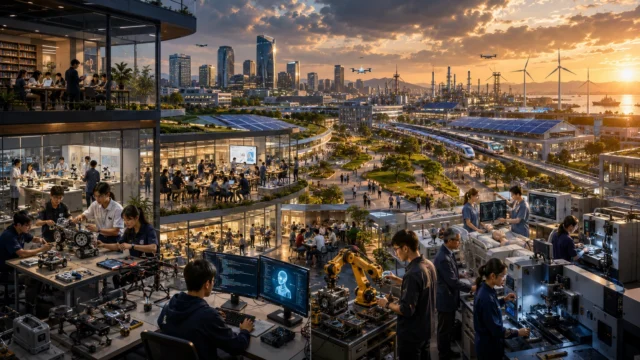
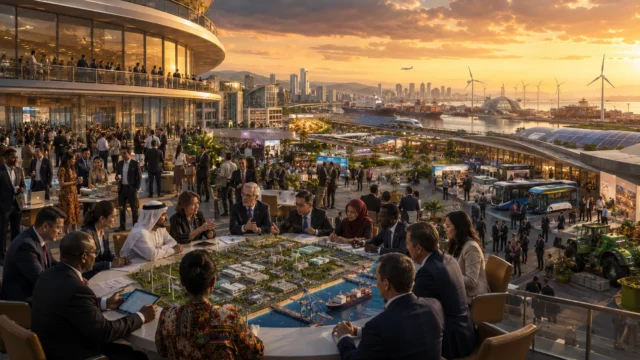
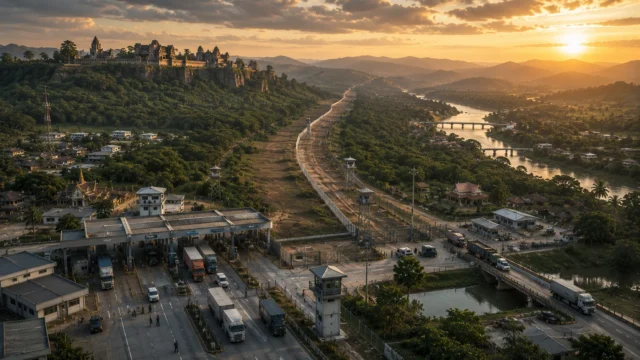
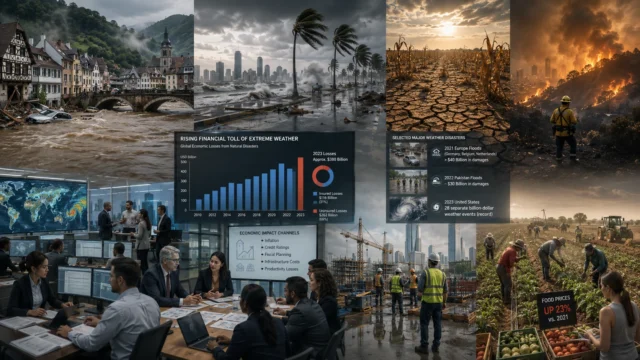
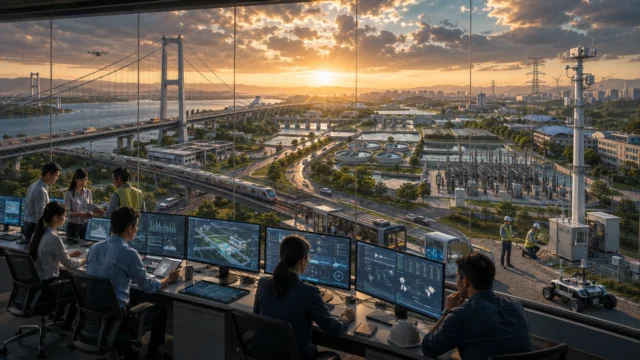
Emerging middle powers connected through global trade, diplomacy, infrastructure, and economic cooperation in an increasingly multipolar world order.
Middle powers are gaining influence as economic growth, regional leadership, and strategic partnerships reshape the balance of power in a more multipolar world.

Middle Powers Expand Their Diplomatic Reach

Countries traditionally viewed as regional players are now shaping global conversations with unprecedented confidence. India’s approach to the Russia-Ukraine conflict exemplifies this shift—New Delhi has maintained trade relationships with Moscow while deepening ties with Western partners, refusing to be cornered into choosing sides despite considerable pressure. Prime Minister Modi’s government has positioned India as a voice for the Global South, using its G20 presidency in 2023 to champion developing world priorities.

Turkey’s diplomatic maneuvering under Erdogan demonstrates similar strategic flexibility. Ankara has simultaneously maintained NATO membership, purchased Russian S-400 missile systems, mediated grain deals between Russia and Ukraine, and positioned itself as a bridge between Europe and Asia. Brazil under Lula has reasserted its role in Latin American leadership while proposing alternative frameworks for global economic cooperation that bypass traditional Western-dominated institutions.

Strategic Autonomy Replaces Automatic Alignment

These middle powers share a common thread: they prioritize strategic autonomy over predictable alliance structures. Rather than accepting junior partner status within existing blocs, they leverage their growing economic weight and geographic advantages to pursue independent foreign policies that serve their national interests. This approach reflects a fundamental shift from the binary thinking that characterized much of the Cold War and its immediate aftermath.

Traditional Power Structures Face Growing Pressure

The dominance exercised by major powers for decades is encountering systematic challenges from countries that no longer accept subordinate roles in the international system. The United Nations Security Council, G7, and other institutions designed in earlier eras increasingly struggle to address global challenges without broader participation from rising powers.

Recent climate negotiations illustrate this dynamic clearly. Middle powers like Indonesia, Mexico, and South Africa have formed coalitions that bypass traditional North-South divisions, creating new pressure points in international negotiations. These countries possess significant leverage—whether through natural resources, strategic locations, or large populations—that allows them to resist being marginalized in global decision-making processes.

The economic dimension of this shift is equally telling. When the West imposed sanctions on Russia following the 2022 invasion of Ukraine, many middle powers declined to participate, instead maintaining trade relationships or even expanding economic ties with Moscow. This response revealed the limits of Western economic coercion when middle powers choose non-compliance.

Strategic Flexibility Creates New Opportunities

Countries across the developing world are discovering that avoiding rigid alignment with major powers opens doors rather than closing them. This strategic flexibility allows middle powers to access technology, investment, and markets from multiple sources while maintaining policy independence on issues that matter to their domestic constituencies.

The United Arab Emirates provides a compelling example. Abu Dhabi has deepened economic ties with China, maintained its security partnership with the United States, expanded trade with Russia, and positioned itself as a neutral venue for diplomatic initiatives. This multi-alignment strategy has made the UAE indispensable to various global players rather than dependent on any single patron.

Economic Diversification Strengthens Political Independence

Middle powers are leveraging economic diversification to reduce dependence on traditional partners. Countries like Vietnam have attracted manufacturing investment from companies seeking alternatives to China while maintaining robust trade relationships with Beijing. This economic balancing act provides political space for independent decision-making that would be difficult to achieve under conditions of high dependence on a single major power.

Regional Leadership Gains Strategic Importance

Power projection increasingly occurs through regional networks rather than global hegemonies. Countries that can effectively lead their immediate neighborhoods gain outsized influence in international affairs, as major powers recognize the need for regional partners to advance their global objectives.

Saudi Arabia’s regional diplomacy exemplifies this trend. Riyadh’s decision to restore relations with Iran, mediated through Chinese channels, demonstrated that regional powers can reshape security dynamics without American involvement. The kingdom’s expanding ties with Russia and its measured approach to oil production decisions reflect a confidence in regional leadership that translates into global influence.

Indonesia’s role within ASEAN provides another model. Jakarta’s ability to maintain ASEAN unity while balancing relationships with China, the United States, and regional partners gives Indonesia significant leverage in Indo-Pacific geopolitics. Regional leadership creates a multiplier effect that allows middle powers to punch above their individual weight class.

Economic Connectivity Strengthens Geopolitical Positioning

Infrastructure development and trade networks are becoming primary tools for middle powers to expand their influence. Unlike military projection, which requires enormous resources, economic connectivity allows middle powers to build sustainable influence through mutual benefit rather than coercion.

Turkey’s role as an energy transit hub between Europe and Central Asia illustrates how geographic advantages can be leveraged for geopolitical gain. The country’s pipeline networks and its control of Bosphorus shipping lanes provide Ankara with significant leverage in European energy security discussions. Similarly, Egypt’s control of the Suez Canal and its expanding infrastructure connections across Africa position Cairo as an essential partner for multiple global powers.

The Belt and Road Initiative has inadvertently strengthened this dynamic by providing middle powers with additional options for infrastructure financing and connectivity. Countries can now play Chinese, Western, and regional funding sources against each other to secure better terms and maintain greater policy autonomy.

Multipolarity Transforms Global Decision-Making

International negotiations increasingly require building coalitions that include middle powers as essential participants rather than peripheral actors. Climate change, pandemic response, and economic governance all demand cooperation from countries that possess significant capabilities but remain outside traditional power structures.

The recent expansion of BRICS to include countries like Egypt, Ethiopia, and the UAE reflects this changing dynamic. While BRICS lacks the institutional coherence of Western alliances, its growth signals that middle powers see value in platforms that provide alternatives to Western-dominated forums. These institutions may not replace existing structures, but they create competitive pressure for more inclusive decision-making processes.

A New Global Order Gradually Emerges

The transformation toward multipolarity is neither sudden nor complete, but its direction appears irreversible. Power is becoming more distributed across multiple centers, with middle powers increasingly capable of shaping outcomes through cooperation and strategic flexibility rather than simple alignment with major powers.

This shift creates both opportunities and challenges for global governance. On one hand, more distributed power can lead to more representative international institutions and policies that reflect broader global interests. On the other hand, coordination becomes more complex when multiple actors possess veto power over international initiatives.

The future global order will likely be defined less by a single dominant power and more by networks of influential regional actors. This transformation reflects deeper changes in economic weight, technological capabilities, and domestic political preferences that favor strategic autonomy over automatic alignment. Middle powers gain influence not by challenging the international system directly, but by demonstrating that effective alternatives to traditional power relationships are both possible and profitable.