Natural Gas Routes — The Hidden Networks Powering Geopolitical Influence

When Russia cut gas supplies to Europe in 2022, millions felt the immediate impact through soaring energy bills and industrial shutdowns. This crisis exposed a fundamental truth often hidden beneath market prices and technical specifications: natural gas routes represent some of the most powerful geopolitical tools of the modern era. These networks of pipelines, terminals, and shipping lanes don’t just move energy—they reshape diplomatic relationships, create dependencies, and grant strategic leverage that can persist for decades.

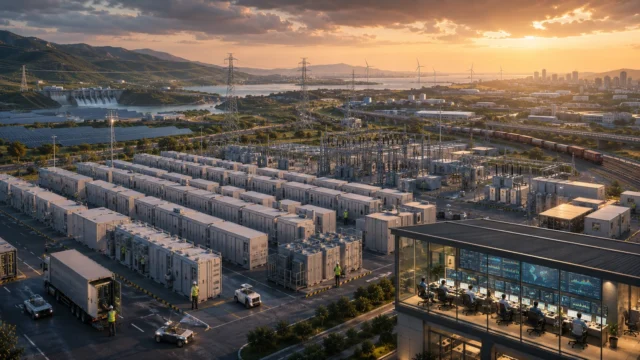
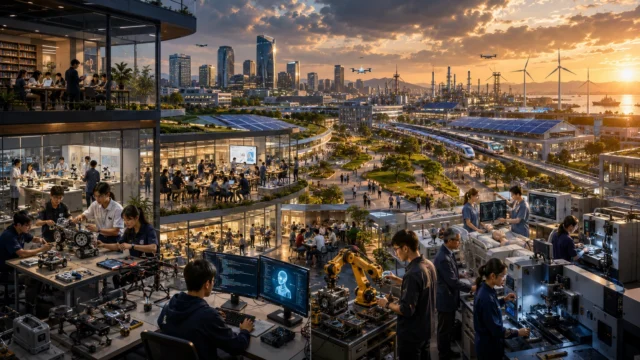
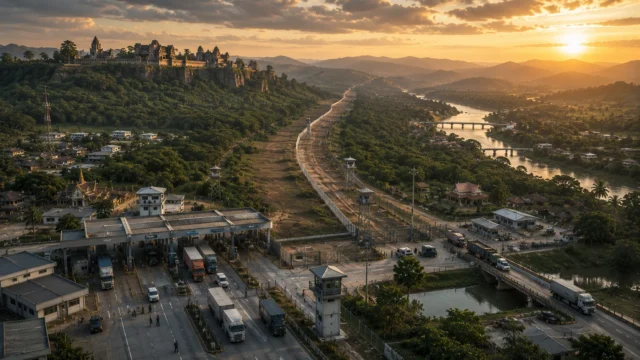
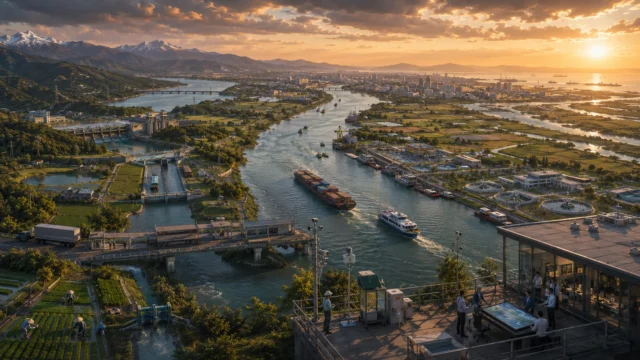
European energy infrastructure featuring LNG terminals, gas pipelines, and international supply routes illustrating efforts to diversify energy sources and strengthen long-term energy security.

Strategic Infrastructure Becomes Diplomatic Currency

Natural gas infrastructure transforms energy producers and transit countries into powerbrokers whose influence extends far beyond their energy reserves. The Nord Stream pipelines, completed at a cost of over $20 billion, gave Russia direct access to German markets while bypassing traditional transit countries like Ukraine and Poland. This infrastructure investment wasn’t merely commercial—it was a calculated strategy to strengthen bilateral ties with Europe’s economic engine while reducing the leverage of intermediary nations.

Export terminals and pipeline networks create lasting dependencies that shape foreign policy decisions. Countries with significant natural gas infrastructure investments find themselves reconsidering military aid, sanctions, or diplomatic positions when their energy security hangs in the balance. The relationship between pipeline capacity and political influence becomes particularly evident during supply disruptions, when nations with alternative routes maintain negotiating power while those dependent on single sources face immediate economic pressure.

Pipeline Networks Create Long-Term Strategic Bonds

Fixed infrastructure investments lock countries into decades-long relationships that transcend individual political administrations. Once a pipeline is built, the economic incentives to maintain stable relations with suppliers become embedded in national energy strategies, creating what energy analysts call “infrastructure diplomacy.”

Diversification Drives New Route Development

European nations’ scramble to reduce Russian gas dependence after 2022 illustrates how energy security concerns drive massive infrastructure realignments. The acceleration of projects like the Southern Gas Corridor and increased LNG imports from the United States represent strategic pivots that will influence European geopolitics for the next generation.

Countries consistently seek multiple supply sources not just for market competition, but as insurance against political coercion. Turkey’s position as a hub for both Russian gas via TurkStream and Azerbaijani gas through the Trans-Anatolian Pipeline exemplifies this diversification strategy. By hosting competing supply routes, Turkey maintains flexibility in its regional relationships while extracting concessions from multiple partners.

The drive for route diversification extends beyond immediate suppliers to encompass entire supply chains. Nations increasingly evaluate potential gas partnerships based on the political stability of transit countries, the security of maritime routes, and the reliability of port infrastructure. This comprehensive approach to energy security transforms gas route planning into a geopolitical risk assessment exercise.

Alternative Pathways Reduce Single-Point Vulnerabilities

India’s simultaneous development of pipeline connections with Iran, Qatar, and Central Asian suppliers through different geographical routes demonstrates how major economies hedge against supply disruptions through infrastructure diversity rather than relying solely on market mechanisms.

Transit Countries Leverage Geographic Advantages

Geographic position along major gas routes grants certain nations outsized influence in global energy markets. Ukraine collected approximately $3 billion annually in transit fees before the 2022 conflict, while these payments provided Russia with limited options for completely severing economic ties. Transit countries like Turkey, Pakistan, and Belarus have successfully translated their geographic positions into enhanced diplomatic leverage with both suppliers and consumers.

Transit nations often extract political concessions alongside economic benefits from their strategic positions. Turkey’s control over potential pipeline routes from Central Asia and the Middle East to Europe has enabled Ankara to pursue independent foreign policies despite NATO membership, including arms purchases from Russia and diplomatic initiatives that diverge from Western preferences.

The strategic value of transit countries becomes most apparent during geopolitical tensions, when alternative routes through different territories become critical for maintaining supply security. Nations positioned along these alternative pathways can demand infrastructure investments, favorable trade terms, or political support in exchange for reliable transit agreements.

Liquefied Natural Gas Reshapes Global Energy Flexibility

LNG technology fundamentally alters the geopolitical calculations surrounding natural gas by enabling seaborne transport that bypasses fixed pipeline routes. The global LNG trade, reaching over 400 million tons annually, allows consumers to switch suppliers based on price and political considerations rather than infrastructure constraints.

American LNG exports to Europe increased nearly tenfold between 2021 and 2023, demonstrating how quickly LNG can reshape supply relationships during geopolitical crises. This flexibility comes with tradeoffs—LNG typically costs more than pipeline gas and requires substantial terminal infrastructure—but provides strategic advantages that many countries consider worthwhile investments.

Qatar’s position as the world’s largest LNG exporter grants the small nation influence disproportionate to its size, as countries worldwide compete for long-term supply contracts. The recent expansion of Qatari LNG capacity ensures this influence will persist through the 2030s, regardless of renewable energy developments in consuming countries.

Maritime Routes Create New Chokepoints

LNG shipping transforms traditional pipeline chokepoints into maritime vulnerabilities, with critical passages like the Strait of Hormuz and Malacca Strait becoming central to global gas security alongside the Suez Canal for European-bound shipments.

Infrastructure Investments Define Tomorrow’s Energy Maps

Current natural gas infrastructure projects will determine geopolitical relationships for decades to come. The Eastern Mediterranean pipeline, connecting Israeli and Cypriot gas fields to European markets, represents a multi-billion dollar bet on reshaping regional energy dynamics and strengthening ties between energy producers and European consumers.

China’s investments in Central Asian pipeline infrastructure through the Belt and Road Initiative create long-term energy partnerships that extend Beijing’s influence across the region while providing participating countries with alternatives to traditional Russian and Middle Eastern suppliers. These infrastructure commitments often include financing terms and construction contracts that deepen economic integration beyond simple energy trade.

In my view, natural gas routes will remain strategically important even as renewable energy expands. Infrastructure built today may influence geopolitical relationships for decades. The transition to renewable energy will likely take longer than many current projections suggest, particularly for industrial applications and heating in colder climates, ensuring continued strategic importance for gas route control.

Political Stability Determines Route Reliability

Energy route security depends not just on infrastructure quality but on political stability across entire supply chains. The sabotage of the Nord Stream pipelines in 2022 demonstrated how quickly critical energy infrastructure can become unavailable due to political conflicts, regardless of technical reliability or commercial agreements.

Countries evaluate potential gas routes based on comprehensive political risk assessments that consider government stability, regional conflicts, and historical reliability of transit agreements. This evaluation process often favors routes through politically stable countries even when they involve higher costs or longer distances compared to alternatives through unstable regions.

Military considerations increasingly influence energy route planning, with nations seeking supply paths that remain secure during potential conflicts. This strategic thinking explains growing interest in Arctic gas routes and sub-sea pipelines that avoid potentially contested territories.

Energy Transportation Networks Cement Geopolitical Influence

Control over energy transportation infrastructure continues to generate geopolitical power that extends far beyond immediate commercial returns. Countries that master the complex relationship between energy flows and political influence position themselves as essential partners in the global system, regardless of their domestic energy production levels.

The hidden networks of natural gas routes operate as a parallel diplomatic system where infrastructure investments, transit agreements, and supply contracts create relationships that often prove more durable than traditional political alliances. These energy partnerships survive changes in government, shifts in public opinion, and even significant political disagreements because the underlying economic incentives remain compelling for all parties involved.

Energy transportation will continue shaping global power dynamics as new technologies emerge and climate policies evolve. The countries and companies that understand these hidden networks—and invest strategically in the infrastructure that powers them—will maintain disproportionate influence in tomorrow’s geopolitical landscape.