Peace Talks Collapse — A Sudden Breakdown That Could Push the World Toward War

The diplomatic lifeline that many hoped would prevent a larger conflict has snapped. After months of careful negotiations, peace talks have collapsed in a sudden breakdown that could push the world toward war, leaving both sides without a clear path back from the brink. What began as a structured effort to resolve deep-seated tensions has devolved into mutual blame and hardened positions, creating the kind of diplomatic vacuum that historically precedes military action.

The collapse represents more than just failed negotiations—it signals a fundamental shift in how this crisis will unfold, with consequences that extend far beyond the immediate parties involved.

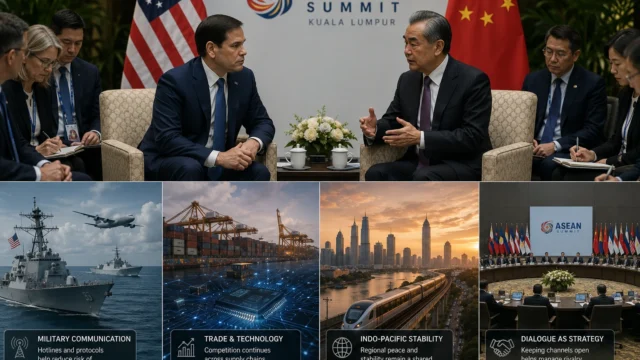
Failed peace talks between the United States and Iran symbolized by tense military presence and diplomatic breakdown, signaling rising risk of global conflict.
The collapse of U.S.-Iran peace talks marks a dangerous turning point, raising fears that escalating tensions could spiral into a broader global conflict.

Diplomatic Efforts Crumble After Months of Progress

The breakdown came swiftly, catching even seasoned diplomats off guard. Negotiations that had shown genuine promise just weeks earlier unraveled over core issues that neither side proved willing to compromise on. Key mediators who had invested significant political capital in the process now face the reality that their efforts have not only failed but may have inadvertently hardened positions on both sides.

The timing makes the collapse particularly damaging. Both parties had publicly committed to the diplomatic process, raising expectations among their populations and international observers. This public investment in talks means that their failure carries additional political costs, making it harder for leaders to justify returning to negotiations without significant face-saving measures.

Trust, already fragile at the outset, has eroded to dangerous levels. The accusation and counter-accusation that marked the final days of talks have created new grievances that will complicate any future diplomatic efforts.

Military Options Move to the Forefront

With diplomatic channels effectively closed, military planners on both sides are now operating under different assumptions. The restraint that characterized the negotiation period is giving way to more aggressive posturing, as each side seeks to strengthen its position through shows of force rather than concessions at the bargaining table.

Regional Powers Face Mounting Pressure

The collapse has placed neighboring countries in an increasingly precarious position. Nations that had hoped to remain neutral or serve as buffers now find themselves forced to choose sides or risk being swept up in escalating tensions. Several regional powers are quietly mobilizing resources and reassessing their defense commitments, recognizing that the diplomatic safety net has disappeared.

Border regions are seeing increased military activity as countries position assets closer to potential flashpoints. This concentration of forces creates its own risks, as incidents between opposing military units become more likely and potentially more consequential.

Major Powers Abandon Neutrality

The failure of peace talks has triggered a realignment among global powers who can no longer afford to remain on the sidelines. Countries that had maintained careful diplomatic balance are now being forced to signal their allegiances more clearly, creating the kind of opposing blocs that make conflicts harder to contain.

China and Russia are coordinating their responses more closely, while NATO members are strengthening their unified stance. This polarization reduces the number of potential mediators and increases the stakes for any future confrontation. The middle ground that diplomats typically rely upon to craft compromises is shrinking rapidly.

Arms sales and military assistance programs are accelerating as allied nations rush to support their partners. This flow of weapons and technology not only increases the potential destructiveness of any conflict but also creates economic incentives for prolonging tensions.

Energy Markets Signal Economic Disruption

Oil prices jumped within hours of the talks’ collapse, with traders pricing in the possibility of supply disruptions from key producing regions. Natural gas markets are showing even sharper reactions, particularly in Europe, where energy security concerns have heightened sensitivity to geopolitical risks.

The speed of market reactions reflects how closely energy traders had been monitoring the diplomatic process. The failure of negotiations removes what many saw as the most likely path to stability, forcing markets to price in scenarios they had previously considered less probable.

Strategic petroleum reserves are being evaluated by major consuming nations, though officials are reluctant to signal panic by releasing emergency supplies too early. The mere discussion of such measures, however, adds to market anxiety and price volatility.

Financial Markets Retreat to Safety

Global equity markets are experiencing sharp selloffs as investors flee riskier assets in favor of traditional safe havens. The sudden nature of the diplomatic breakdown has caught many investors positioned for continued negotiations, forcing rapid portfolio adjustments that amplify market volatility.

Defense contractor stocks are among the few gainers, reflecting the market’s grim assessment that military solutions are becoming more likely. Currency markets are seeing flight to the dollar and Swiss franc, while emerging market currencies linked to the affected regions are under severe pressure.

Credit markets are tightening as lenders reassess risk premiums for countries and companies that could be affected by broader conflict. The cost of insuring against sovereign defaults has risen sharply for nations in the region, signaling deep concern about economic stability.

The Path Back to Peace Grows Steeper

Perhaps most troubling is how the collapse has damaged the infrastructure for future negotiations. The personal relationships between negotiating teams, carefully built over months of talks, have been poisoned by accusations of bad faith. Mediating countries that invested heavily in the process may be reluctant to spend similar political capital on future efforts without stronger guarantees of success.

The public nature of the breakdown means that any return to negotiations will require both sides to overcome not just their substantive differences but also the domestic political costs of appearing to back down. Leaders who had portrayed the talks as a sign of strength may find it difficult to return to diplomacy without appearing weak to their own populations.

The window for preventing military escalation is narrowing with each passing day, as both sides take steps that make backing down more difficult and costly. The sudden breakdown that could push the world toward war has created momentum in precisely the direction the international community had hoped to avoid.